Behind the Build
A transparent look into our engineering process - from early sketches to certified components.
From concept to first prototype
Before any LED was powered, we mapped the core problems in existing caps: uneven coverage, weak output, and poor materials. We designed a flexible multi-panel structure that follows the curvature of the scalp without creating shadows. Result: Consistent contact and full coverage from the start.
Early structure development. Designed to eliminate blind spots and ensure full scalp contact.
Early layout prototype used to validate spacing and coverage before final design.
LED layout development
Photobiomodulation is not about more LEDs. It is about placement. We tested multiple layouts to find the right balance between density, spacing, and thermal stability. Result: Even light distribution across the entire scalp. No hotspots. No gaps.
Early layout sketches (180 / 220 / 240 LEDs) for density and spacing testing.
From model to reality
Once the theoretical models were in place, we moved into real-world prototyping. Flexible substrates were laser-cut. LED positions were marked. Wiring paths were stitched manually to validate curvature, heat dissipation, and durability. Result: A structure that performs consistently under real use.
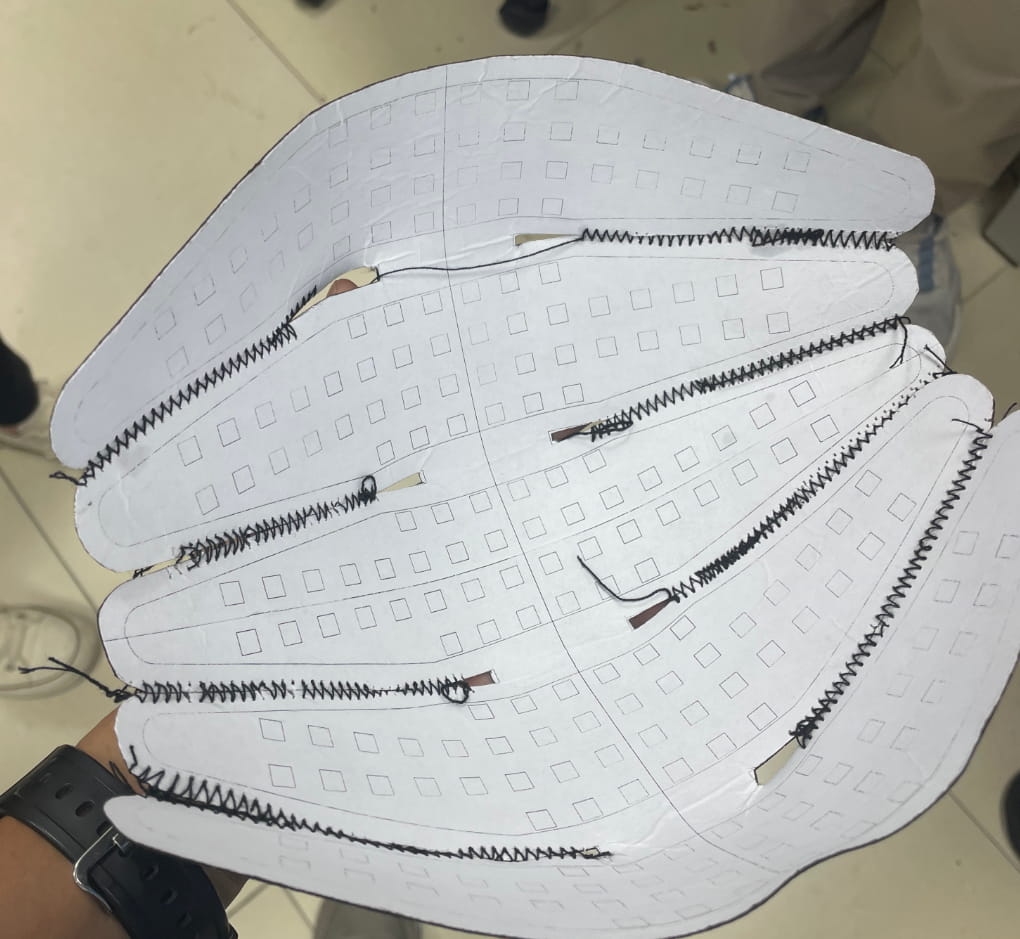 Early physical prototype
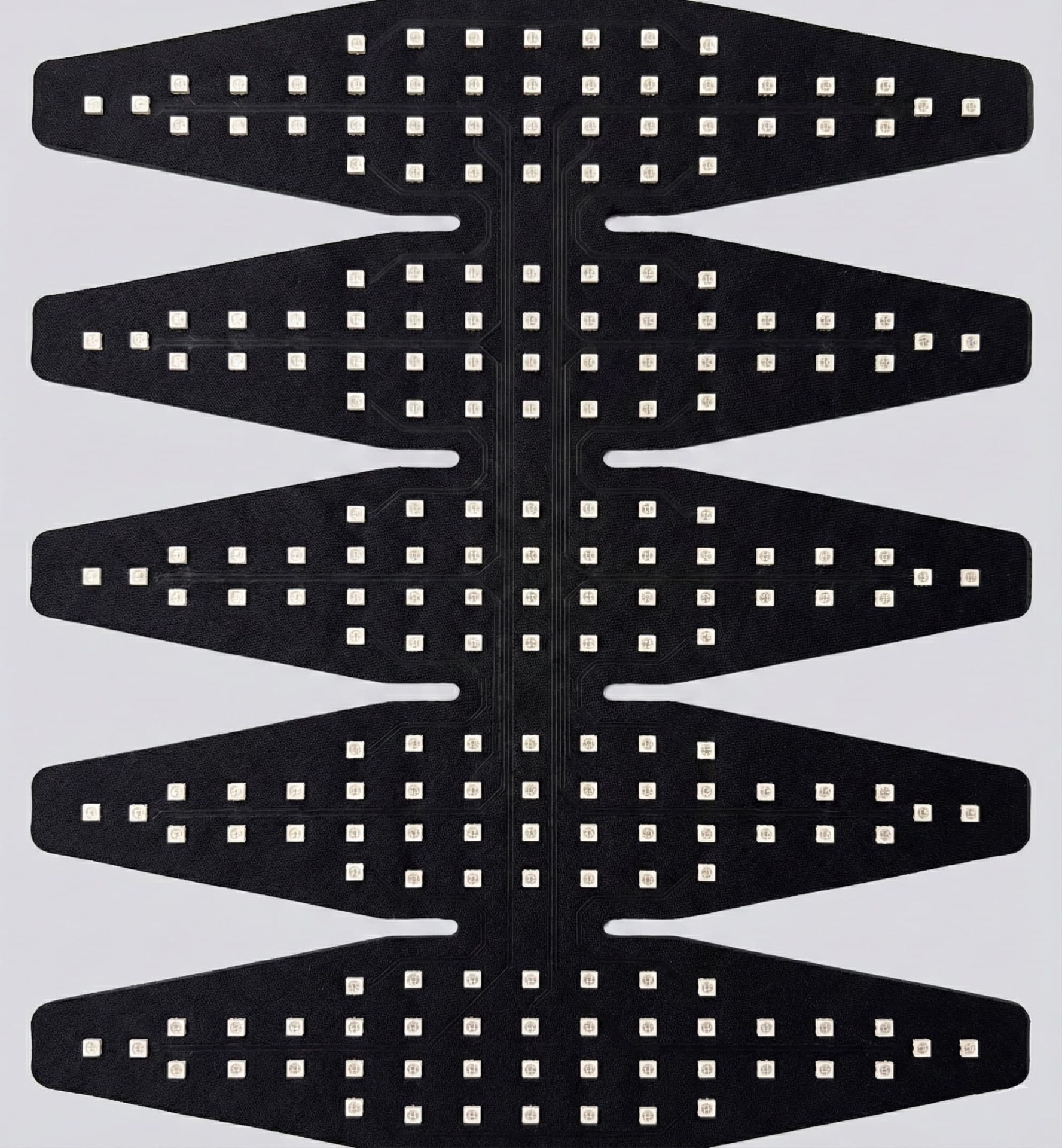 Final LED layout prototype
Physical prototypes validate curvature, stability and uniform light delivery.
Designed for true mobility
To make the cap truly wireless, we developed a magnetic power interface. The battery snaps into place instantly and maintains a secure connection without cables. Result: A clean, stable, and effortless user experience.
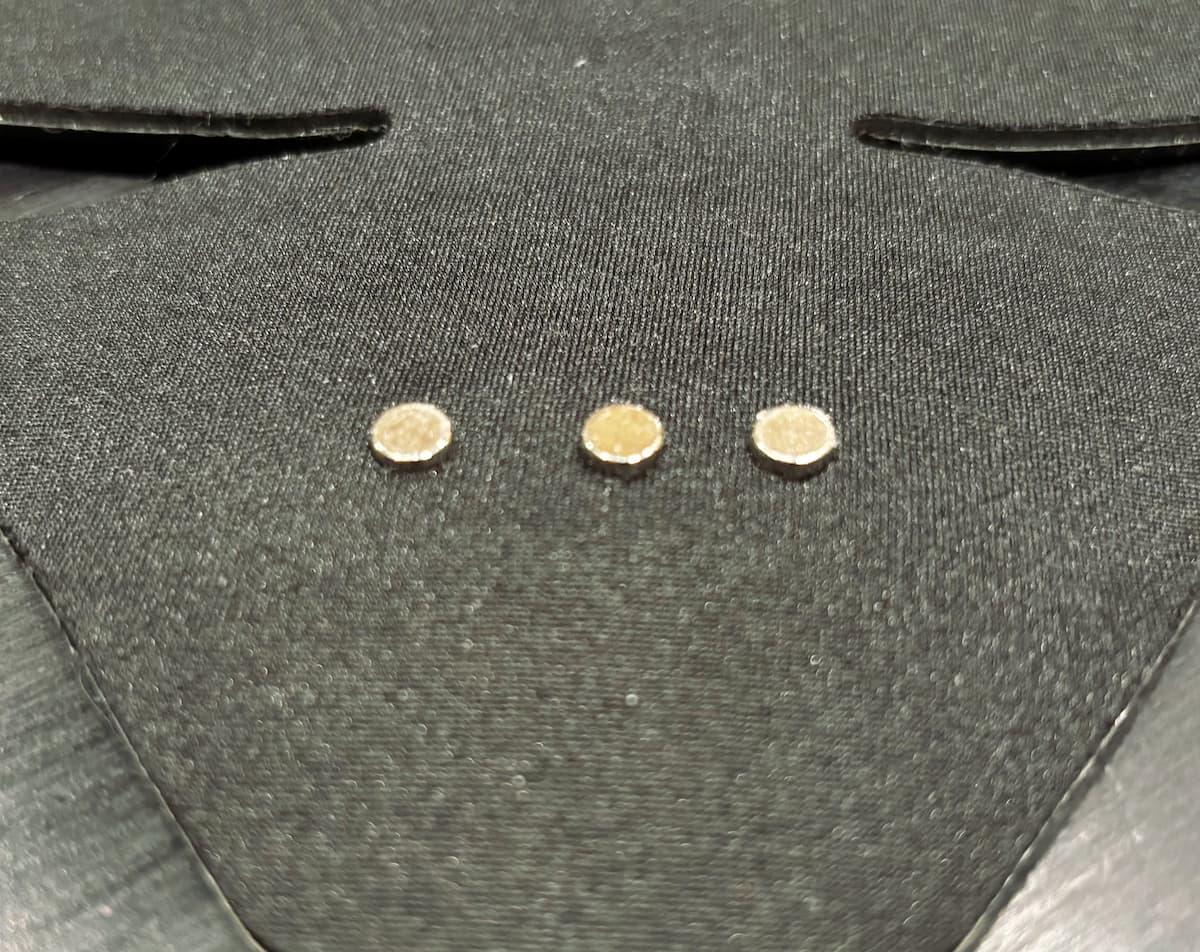 Magnetic contact points
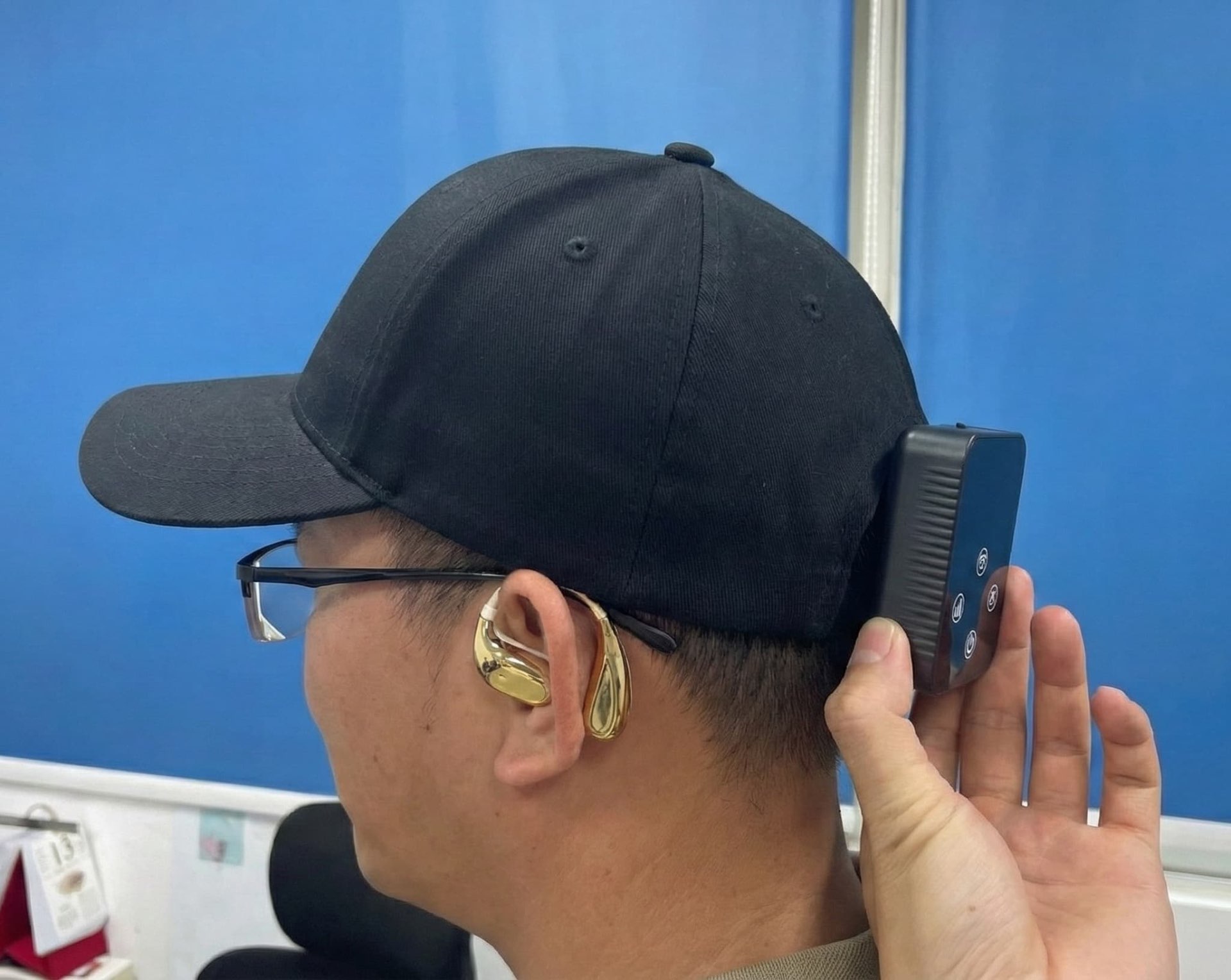 Snap-on battery module
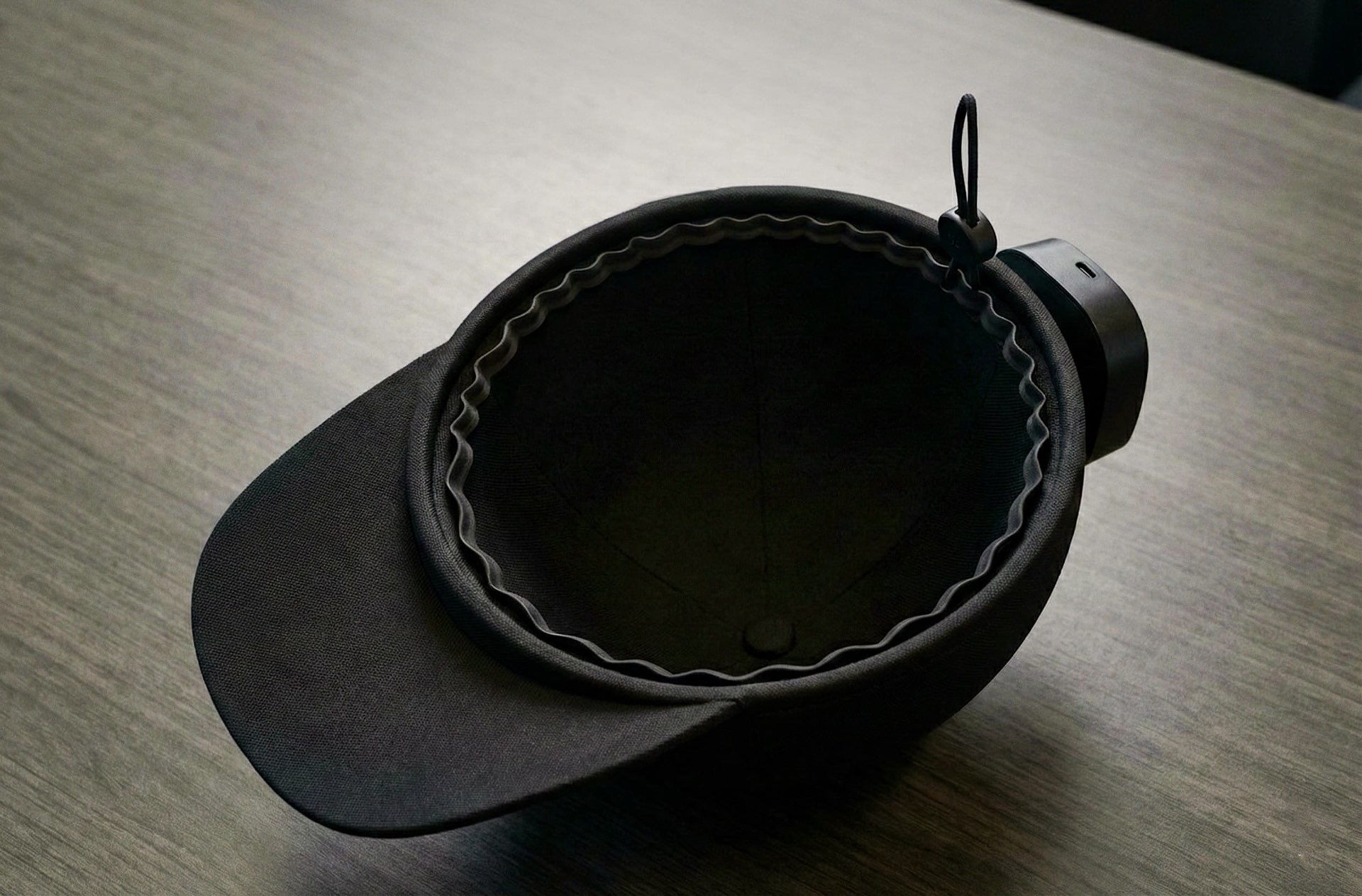 Integrated cap design
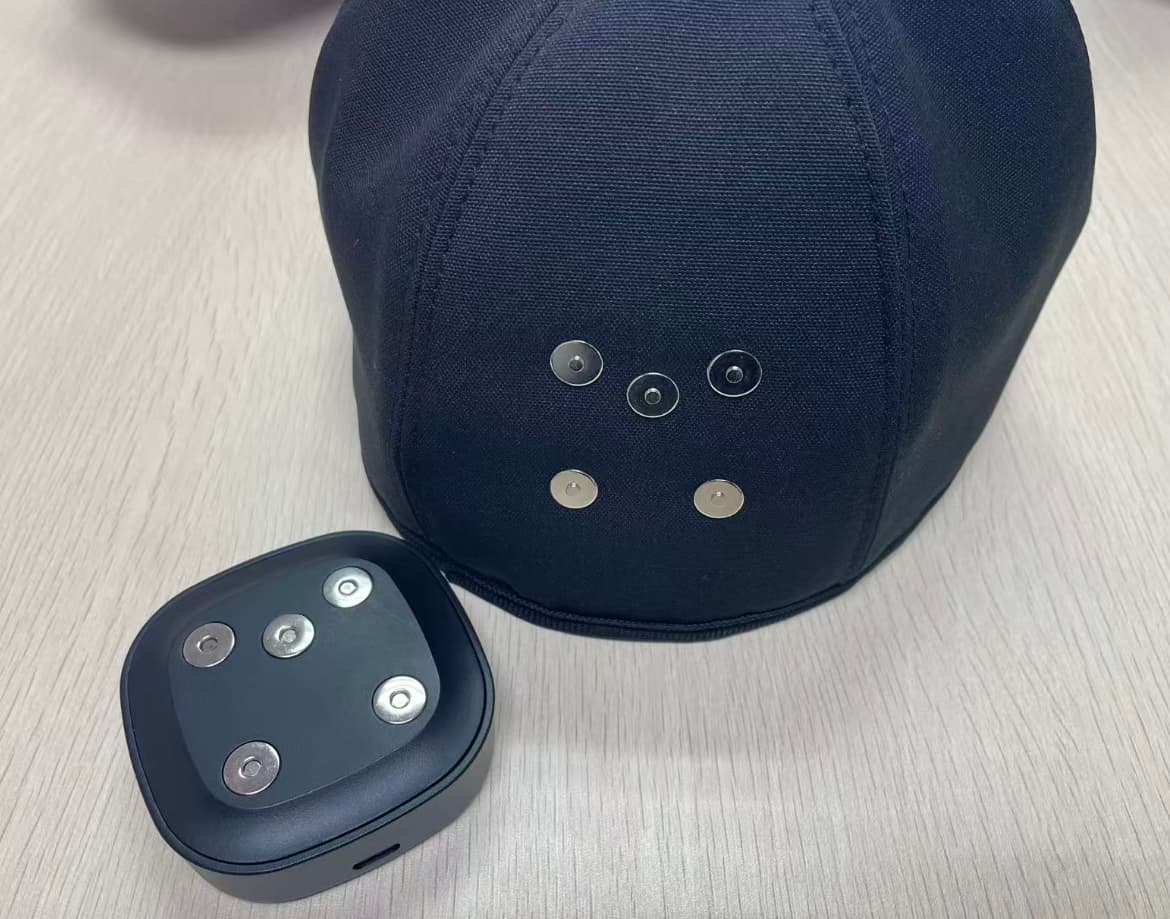 Magnetic interface system
Power module testing focused on runtime, comfort and mobility.
Building the assessment model
The hardware defines the delivery, but the biological context defines the outcome.
Since hair loss varies in pattern and follicle activity, response to treatment is never uniform.
We developed a structured evaluation model derived from clinical classification systems and photobiomodulation research.
Biological Qualification: An advanced intake system that evaluates follicular readiness and suitability for light-based intervention.
Algorithmic Weighting: Our proprietary model processes multi-layered inputs to calculate your specific response profile.
Strategic Alignment: A diagnostic gate that ensures we only recommend treatment where the biological probability of success meets our standards.
Result: A calibrated intake system that bridges the gap between clinical hardware and individual biology.
Our objective was not prediction, but calibration — ensuring that every RLL device is paired with a realistic, data-driven roadmap for the user.
Evaluate your current stage and response potential
Start assessmentDesigned end to end
In parallel with the hardware, we designed the packaging.
Not to create attention, but to create clarity.
A structure that protects the product, guides the user, and reflects the same philosophy as the cap itself.
Materials and finishes were chosen to feel precise, durable, and intentional. Result: A product that feels complete from the moment it arrives.
Designed. Tested. Now being produced.
LED array locked for production
The LED array is now locked. Designed for even coverage, no blind spots, and clinically relevant light delivery. This is the configuration moving into production.
Certification
Before RLL-180 can be put into use, it undergoes an extensive process of testing, measurement, and certification. This includes safety, materials, electromagnetic compatibility, and photobiological safety. In addition, we carry out optical measurements with professional equipment, both as part of the certification work and to verify that the cap delivers the light intensity and energy dose we have developed it for. The image shows one of these measurements – a small part of the work behind a product we can stand behind.

Optical verification of light intensity and energy delivery during quality assurance of RLL-180.
Testing and Mass Production
Once the design and component choices were locked, RLL-180 moved into mass production. LED modules undergo burn-in testing before assembly to detect early component failures and verify stable operation. This is followed by cutting the LED boards, assembly, functional testing, final inspection, and packing of the finished units.

Burn-in testing of LED modules before assembly. The modules run continuously to detect early component failures and verify stable operation before moving forward in production.
From production line to finished RLL-180
Once the components are tested and production is underway, RLL-180 goes through several steps before it is packed as a finished product. The cap is assembled and handled through the production line, the LED system is function-tested, and the finished unit is visually inspected before it is prepared for packing. The final step is not development. It is execution — ensuring that the product leaving production matches the design we have developed.


First delivery to Norway
After 15 months of development, testing and production preparation, the first production series of RLL-180 arrived in Norway. From the manufacturing partner in China, the fully inspected and packed units travelled with FedEx to Oslo. RLL-180 had now gone from drawings, prototypes and test series to a finished product – ready for delivery to our first customers. Result: RLL-180 in stock in Norway. The first customer deliveries are underway.


Photoshoot
First production units have arrived. This is where engineering meets perception. We captured the product in controlled light to reflect its true form, materials, and finish. Each image is refined to match what the user will actually experience. Nothing exaggerated, nothing hidden. Result: A visual representation that is as precise as the product itself.